
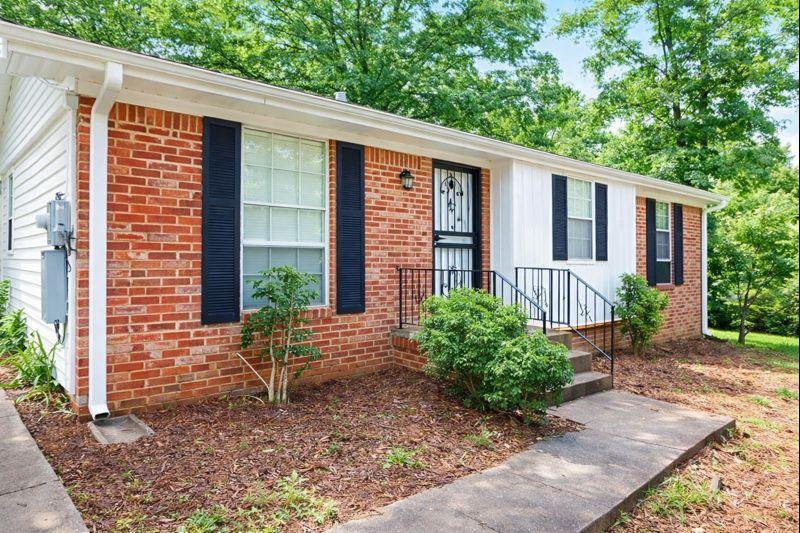
Pricing a home often seems simple at first. Many homeowners begin by looking at nearby listings, thinking about recent upgrades, and choosing a number that feels fair. In reality, pricing influences far more than just the asking figure on a listing. It affects how quickly buyers notice the property, how many serious showings take place, and how strong your position remains once negotiations begin.
In Birmingham, pricing requires local perspective. A house in Roebuck or Norwood may attract different buyer expectations than a property in Crestwood or Vestavia Hills. Even within the same metro area, buyer behavior changes depending on school zones, property condition, and price range. That is why learning how to price your home correctly matters before the first buyer ever walks through the door.
Why Pricing Shapes the Entire Selling Process
The asking price does much more than place your home on the market. It sets the tone from the very beginning. A price that feels too high often causes buyers to move on before scheduling a showing. A price that is too low may attract quick attention, but it can also leave money behind if the home could have performed better with a more thoughtful strategy. Even relatively small pricing differences can affect affordability more than many sellers expect, especially when buyers are comparing monthly payments closely in today’s interest rate environment.A well-positioned price usually creates stronger early momentum because it:
- attracts serious buyers sooner
- increases the chance of early showings
- reduces the risk of the listing sitting too long
- helps support stronger offers when interest builds
Common Pricing Mistakes Sellers Often Make
One of the most common mistakes sellers make is pricing emotionally. Owners naturally connect value to memories, effort, and what they hope the home will bring. Buyers do not think that way. They compare your home to nearby options and ask whether it feels worth the price today.
Common pricing mistakes include:
- pricing above realistic market value
- relying too heavily on active listings instead of sold homes
- ignoring needed repairs or outdated features
- making repeated price drops too quickly
- choosing a number based on hope rather than evidence
When pricing starts too high, the listing often loses momentum early. That first period on the market is usually when attention is strongest.
Start With Comparable Sales in Birmingham
The strongest starting point is recent comparable sales. Sold properties usually tell a more honest story than current listings because they reflect what buyers were actually willing to pay.
When reviewing comparable homes, focus on:
- square footage
- number of bedrooms and bathrooms
- lot size
- overall condition
- age of the home
- garage
- house style (ranch vs two-story traditional vs split level)
- exact neighborhood
- days on market
- final sale price versus asking price
Before relying only on listing descriptions, sellers can also verify factual property details through official county records. In areas such as Jefferson County or Shelby County, public property data often helps confirm square footage, lot size, year built, and parcel information before comparing similar homes.
Price per square foot can help, but it should never stand alone. Two homes with similar size may still sell very differently depending on layout, updates, curb appeal, and street location.
Understand What the Market Is Doing Right Now
Your property matters, but the broader market matters too. In some periods, homes move quickly because inventory stays low and buyers compete more aggressively. In other periods, buyers have more choices and negotiate harder.
Before setting a price, it helps to understand whether the local market feels like:
- a seller’s market
- a buyer’s market
- a balanced market
In Birmingham, these conditions can shift by neighborhood and price bracket. A home priced correctly in one area may need a different strategy in another.
Be Honest About the Property’s Condition
Condition often affects pricing more than sellers expect. Buyers notice details immediately: flooring, paint, lighting, bathrooms, and signs of deferred maintenance all shape how they interpret value.
Many buyers ask themselves:
=>Will the roof need replacement soon?
=>Does the HVAC system look old?
=>Will the kitchen need updating?
=>Are repairs waiting after closing?
A home in strong condition may justify pricing near the upper end of the range. A home needing work usually performs better when the price already reflects that reality.
Use Upgrades Carefully to Support Value
Upgrades matter, but not every improvement adds equal value. Some improvements help buyers feel more confident even if they do not fully return their cost.
Upgrades that often help include:
- new roofing
- updated kitchen
- modern bathrooms
- fresh paint
- updated flooring
- newer windows
- improved landscaping
The key is comparing your home to similar nearby homes that also include those updates.
Unique Features Can Influence Buyer Response
Some homes offer advantages that are not always captured by automated estimates.
These can include:
- larger lot size
- stronger curb appeal
- quiet street location
- extra parking
- layout with a great flow
- easy access to schools, shopping, or major roads
These details often shape how quickly buyers respond once the home appears online.
Online Estimates Help — But Only Up to a Point
Online valuation tools can offer a rough starting point, but they often miss important local details. They do not always understand condition, layout differences, or neighborhood-level buyer behavior.
That means online estimates are useful for orientation, but not for final pricing decisions.
Presentation Supports the Asking Price
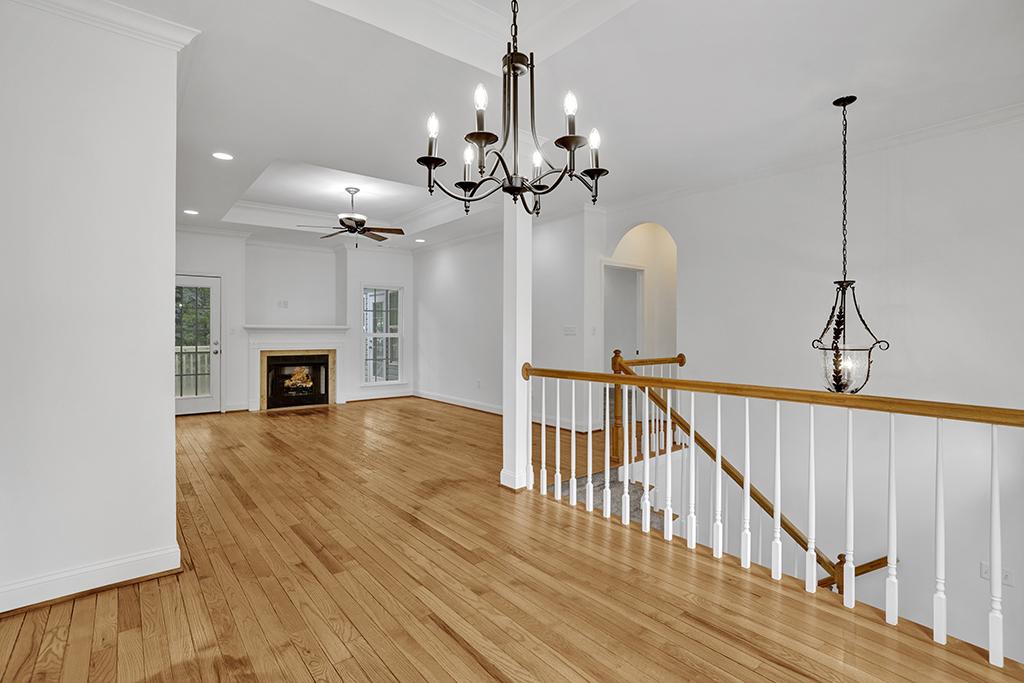
Even when a home is priced realistically, presentation can strongly influence how buyers respond to that number. Before anyone schedules a showing, most buyers first react to the listing itself — especially the photos, the order in which they appear, and the way the property is described. A home with clear, well-lit images often feels more valuable than a similar property presented poorly, even when both are priced the same.
The written description matters too. Strong listing text helps buyers quickly understand what stands out about the property, whether that is natural light, recent updates, layout, lot size, or location benefits. When photos and wording work together, buyers are more likely to see the asking price as justified rather than question it early.
Clean rooms, natural light, simple staging, and honest but well-focused wording often do more to support an asking price than many sellers expect.
Pricing Also Shapes Negotiation
Pricing does not only attract attention. It also shapes negotiation.
When buyers feel the starting number is realistic, conversations often stay smoother. When the number feels inflated, buyers may negotiate harder or skip the property entirely.
A realistic opening price often creates:
- stronger trust
- more serious offers
- less resistance during negotiation
Alternatives to the Traditional Selling Process
Not every homeowner wants to follow the full listing process. Some situations call for simplicity, speed, or fewer moving parts.
Some sellers explore alternatives when they want to sell your house fast in Birmingham and avoid repairs, showings, or long market exposure.
This can also help families who need to sell an inherited house in Birmingham before investing additional time or money into the property.
Alternative paths may include:
- direct cash sales
- selling as-is
- avoiding agent commissions
- reducing time on market
These options do not always maximize retail price, but they can provide clarity when timing matters more than maximizing every dollar.
Frequently Asked Questions About Pricing a Home in Birmingham
Q: What early signs suggest buyers see the price as too high?
A :One of the earliest signs is limited activity after the home goes live. If online views are reasonable but showing requests remain low, buyers may already feel the price does not match what they are seeing compared with other available homes.
Other signals often include repeated hesitation after showings, similar feedback from multiple buyers, or nearby homes receiving stronger attention while your listing remains active. In some cases, sellers also begin receiving offers noticeably below asking price, which can indicate that buyers see value differently than expected.
The market usually gives useful feedback quickly, especially during the first days after listing, which is why early response often matters more than many sellers expect.
Q: Should sellers adjust their asking price if the first two weeks feel quiet?
A: The first days on the market often provide the clearest feedback because that is when a new listing receives its strongest exposure. If interest feels unusually quiet during the first two weeks, sellers should first look carefully at what buyers are reacting to — including price, photos, condition, and nearby competition.
A slow start does not always mean the asking price is wrong, but it often means buyers are comparing the home against stronger alternatives nearby. In some cases, a small adjustment made early can restore momentum far more effectively than waiting too long and losing fresh-market attention.
The goal is not to react too quickly, but to understand whether the market is signaling hesitation before the listing begins to feel stale.
Q: Can pricing slightly below market value help attract stronger offers?
A: In some situations, yes. Some sellers intentionally choose to price slightly below what they believe full market value may be in order to generate stronger early attention. The goal is not necessarily to sell for less, but to increase showing activity quickly and create a competitive environment where multiple buyers feel urgency at the same time.
When this strategy works, sellers may receive multiple offers within a short period and then set a clear deadline for highest and best offers. That process can sometimes push the final sale price above the original asking price, especially when buyer demand is strong and the property is presented well from the start.
This approach tends to work best when the home is in a desirable area, priced carefully, and enters the market with strong early visibility.
Conclusion
Pricing a home correctly often determines how the entire sale unfolds. Sellers who combine local market awareness, honest property evaluation, and realistic expectations usually create stronger momentum from the start. In Birmingham, strong pricing decisions usually come from understanding how nearby buyers are responding right now — not simply from choosing a number that feels comfortable. Whether selling traditionally or considering other options, the strongest outcomes often begin with a price buyers immediately understand and trust.